
SAN DIEGO MOBILE PAINTLESS DENT REPAIR
SAN DIEGO MOBILE PAINTLESS DENT REPAIR
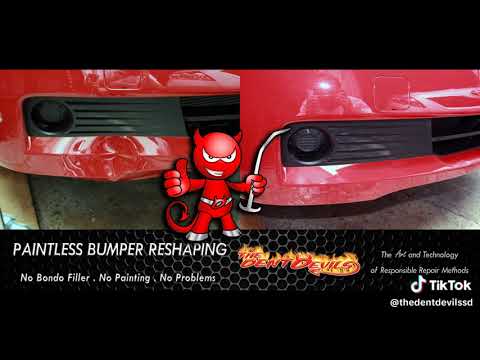
Paintless bumper repair / Reshaping is a specialized repair process used to remove dents, creases, pressure distortions, and minor collision damage from modern plastic bumpers without the need for body fillers, sanding, or repainting. Unlike traditional body shop repairs that often involve grinding, filler, primer, and paintwork, Paintless Dent Repair (PDR) focuses on restoring the original shape of the bumper while preserving the factory finish whenever possible.
One of the most critical parts of the process is the controlled use of heat. Modern bumper covers are made from flexible plastic materials that can become distorted, stretched, or stressed during an impact. A professional technician carefully uses an electronic heat gun to gradually warm and relax the plastic, making it more flexible and reducing the risk of cracking the paint or damaging the bumper during the repair process. Proper heat control also helps restore the plastic’s natural memory and allows the material to be reshaped more safely and accurately.
In most cases, the bumper cover must be partially or fully removed from the vehicle so proper access can be gained behind the damaged area. Specialized Paintless Dent Repair tools are then carefully used from the backside of the bumper to slowly massage and reshape the damaged plastic back into its original form. Unlike metal panel repairs, glue pulling is generally not part of the bumper repair process because plastic bumpers react very differently than metal and require controlled backside access to properly manipulate and stabilize the damaged areas. Attempting to repair bumper damage strictly from the outside typically does not provide the level of control needed for a high-quality repair.
Throughout the repair, specialized PDR lighting systems are used to monitor reflections, body lines, highs, lows, and subtle distortions in the plastic surface. Repairs are performed gradually and precisely to avoid overstressing the material, creating pressure marks, or distorting the bumper further. Open flames or torches should never be used on modern painted bumpers because the heat does not penetrate deeply or evenly enough into the plastic material and creates a high risk of burning the paint, overheating the plastic, weakening the bumper structure, discoloring textured surfaces, or permanently distorting the material. Professional bumper PDR requires controlled temperatures, patience, precision, and experience — not excessive heat.
The process begins with a detailed assessment of the damage to determine whether the bumper is a good candidate for Paintless Dent Repair. Factors such as the size, depth, location, severity, age of the damage, and paint condition all play an important role. Once evaluated, the technician gains access behind the damaged area, often requiring partial or complete bumper removal. Controlled heat is then continuously applied while specialized PDR tools are used to slowly massage and reshape the damaged plastic back into its original contour while preserving the factory paint finish. After the repair is completed, the surface is carefully inspected under specialized PDR lighting to identify and fine tune any remaining highs, lows, waves, or distortions.
When performed correctly and when the paint has not been broken, paintless bumper repair can often save customers thousands of dollars compared to traditional body shop repairs while preserving the original factory finish and helping maintain the vehicle’s resale value. Not all bumper damage can be repaired using PDR techniques, especially if the plastic is torn, severely stretched, sharply creased, or the paint has been cracked or compromised for a long period of time. However, in many situations, Paintless Dent Repair provides a faster, more cost-effective, and less invasive alternative to conventional body shop repairs.
Eddie Martin has repaired thousands of bumpers over more than 43 years of hands-on experience in the dent repair industry.